Created Date

In February 2020, Lauretta announced that it had been selected as one of ten companies in the 2020 Techstars Air Force Accelerator cohort. This article preserves its existing Lauretta site publication date and treats the 2020 selection as a historical event rather than re-dating the post.
The original Techstars newsroom URL previously cited for the class announcement now returns a 404 page. Until an accessible archived or official cohort record is added, Lauretta’s selection and the reported cohort size should be understood here as company-reported historical information rather than independently verified current web evidence.
What accelerator participation was intended to provide
Techstars describes its accelerator model as connecting startup founders with mentorship, networks, and capital. Lauretta’s 2020 announcement described a three-month programme focused on research, mentorship, collaboration, and potential engagement with U.S. Air Force stakeholders.
For Lauretta, the relevant technical theme was applying computer vision and behavioral video intelligence to security and property operations. Participation created an opportunity for customer discovery and technical refinement; it did not establish a production deployment, contract award, or validated performance result.
How to interpret the milestone today
Accelerator selection is useful evidence of company history and ecosystem participation. It should not be converted into claims that the U.S. Air Force adopted Lauretta’s technology or that later defense outcomes were ensured. Each subsequent award, evaluation, or deployment requires its own source.
A later, separate Lauretta company announcement covers an AFWERX SBIR Phase I research contract for Skyla. That article also distinguishes early-stage research support from a fielded multi-UAS capability.
From early computer vision to physical AI
The durable thread across Lauretta’s work is the move from isolated detections toward persistent operational context: connecting people, objects, locations, and behavior over time, then making that context usable in real-world workflows. The 2020 accelerator milestone belongs in that development history, while current product claims should rely on current public evidence.
Explore Lauretta’s current research direction through Beyond Labs or contact the team.
Continue the evidence trail
Explore why persistent operational context matters for evidence-led physical AI as research progresses toward real-world execution.
Insights & Blog
Latest Articles & Industry Insights
Key Features
UPDATE
Sep 22, 2026

Lauretta AI at the 2026 NSC Safety Congress & Expo
NSC selected Lauretta AI’s EnergyGuard for its 2026 hazardous-energy challenge and listed the company at Booth T11. Here is what the public record establishes after the event.
Key Features
UPDATE
Sep 22, 2026
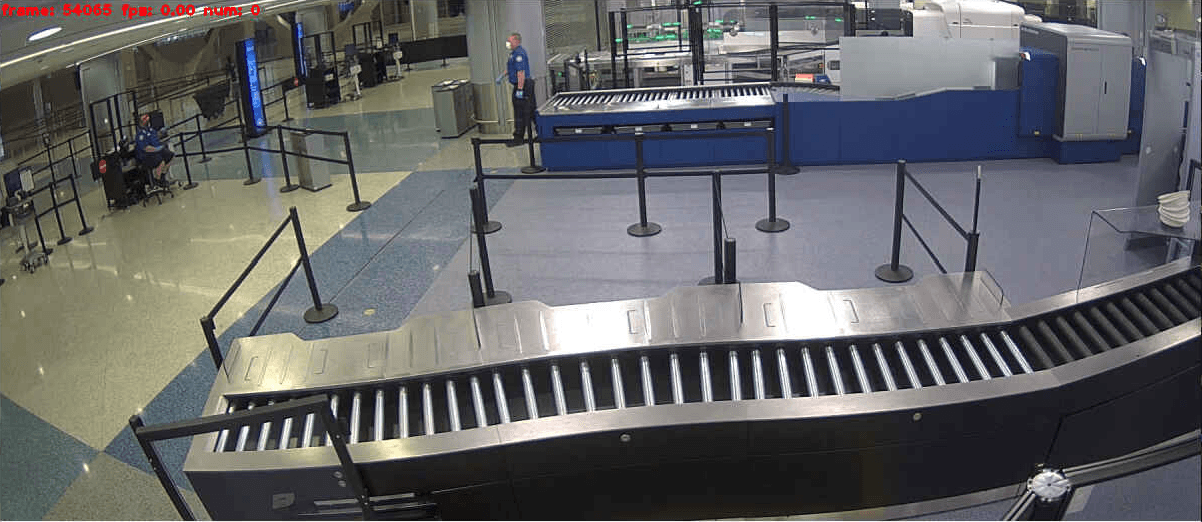
Passenger Self-Service Screening in Las Vegas: Lauretta AI's Documented Role
DHS records from 2024 and 2025 document the Las Vegas self-service screening demonstration and Lauretta AI’s video-analytics partnership role.
Key Features
UPDATE
Jul 24, 2026

Airport Self-Screening and Privacy-Preserving Video AI
DHS and SENTRY sources show how video analytics can make airport self-screening clearer, more responsive, and privacy-conscious while keeping people at the center of the journey.