Created Date

Lauretta AI’s video analytics is designed to help people understand what is happening across a space while keeping facial recognition outside the standard approach. Identity systems ask who a person is; Lauretta focuses on movement, behavior, interaction, and operational context—signals that can reveal how environments evolve and where action can help.
Identity recognition and appearance-based tracking are different tasks
Facial recognition compares biometric facial features with an identity database. Appearance-based tracking instead uses visible, non-biometric cues—such as clothing and carried objects—to maintain temporary continuity as a person moves through camera views. This lets a system connect events long enough to answer operational questions about flow, congestion, dwell time, or unusual activity while keeping identity separate from the task.
Lauretta tracks anonymous movement within the defined scope of a deployment and uses that continuity to build a richer view of events. Retention, access, alerting, and integration policies determine how that context serves each site’s privacy, operational, and security goals.
What the public record describes
A 2024 DHS Science and Technology Directorate market survey describes Lauretta’s crowd-analysis offering as working with existing CCTV and producing a top-down operational view with near-real-time information about crowd count, density, location, movement, velocity, and flow. The survey also notes dashboard, API, and alerting options. That public description establishes the operational use case; deployment-specific benchmarks can extend it by showing performance across different environments.
For security teams, the practical value is a continuously updated view of activity that can help people investigate and respond. See Beyond Guard for Lauretta’s security application and the related DHS airport self-screening article for a documented program context.
Governance expands where privacy-conscious systems can serve
Keeping facial recognition outside the standard approach creates room for context-led intelligence with less identity data. Defined retention periods, role-based access, appropriate camera placement, auditability, and human review make that model stronger and allow it to serve more environments with confidence. Lauretta’s product direction is to preserve the context operators need while minimizing the identity data they do not.
Learn more about Lauretta AI’s physical-AI platform or contact the team to discuss a deployment.
Insights & Blog
Latest Articles & Industry Insights
Key Features
UPDATE
Sep 22, 2026

Lauretta AI at the 2026 NSC Safety Congress & Expo
NSC selected Lauretta AI’s EnergyGuard for its 2026 hazardous-energy challenge and listed the company at Booth T11. Here is what the public record establishes after the event.
Key Features
UPDATE
Sep 22, 2026
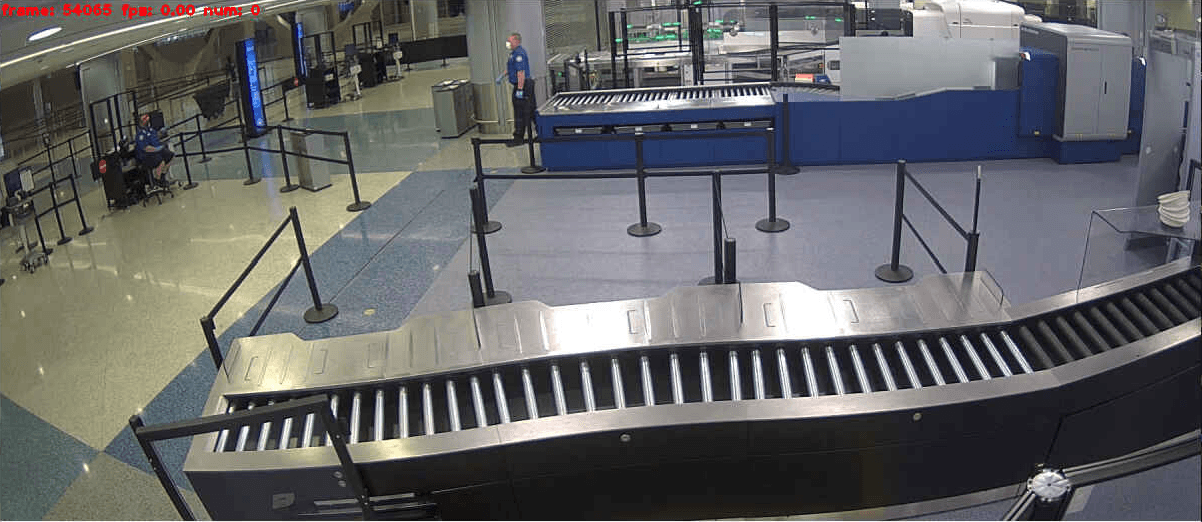
Passenger Self-Service Screening in Las Vegas: Lauretta AI's Documented Role
DHS records from 2024 and 2025 document the Las Vegas self-service screening demonstration and Lauretta AI’s video-analytics partnership role.
Key Features
UPDATE
Jul 24, 2026

Airport Self-Screening and Privacy-Preserving Video AI
DHS and SENTRY sources show how video analytics can make airport self-screening clearer, more responsive, and privacy-conscious while keeping people at the center of the journey.